About

Reimagining Prospect Park Lake

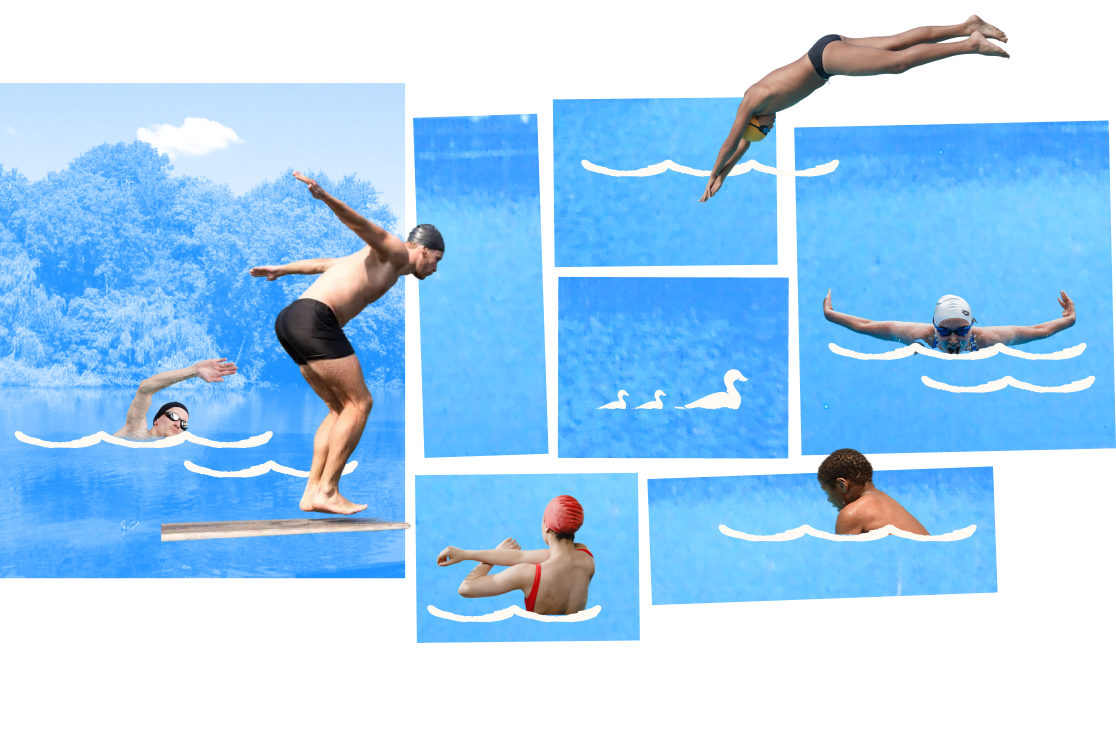
When venerated landscape architects Olmsted and Vaux designed Prospect Park, they did not plan for swimming in the lake. But as our cities have changed, we dare to ask, why not. We are responding to new needs, demands, and urban desires. Inspired by the Swimmable Cities Network and hundreds of cities around the world that are rethinking their relationship to water, we believe this is a vision worth exploring.

Our core work is technical. We need to understand what it would take to create conditions that meet New York State freshwater bathing standards. This requires answering complex questions about hydrology, ecology, engineering, and operations to develop technically grounded pathways for the future of the lake.

What we are trying to learn

We are evaluating whether engineered interventions such as constructed wetlands, increased circulation, sediment management, or targeted filtration systems could support a safe swimming zone. We need to understand how current circulation patterns and stormwater inputs influence water quality, where a pilot zone makes the most sense, and what different approaches would cost to build and operate over time.

Beyond technical feasibility, we are mapping the governance and operational requirements. This involves understanding state regulations, municipal operations, and how a swim area would interact with existing park plans and wildlife management. We are also exploring how swimmability can directly support broader ecological restoration and climate resilience.

The Challenges

We know the hurdles are significant. The lake struggles with algae blooms, bacteria, and limited circulation. Its hydrology is highly complex and shaped by city stormwater inputs. Furthermore, navigating the governance of a designated wildlife habitat, meeting high regulatory bathing thresholds, and working alongside the prioritization of stormwater retention all present distinct challenges.

Possible Pathways Forward

Our goal is not to predetermine the best approach. We want to provide enough detail so agencies, community partners, and technical advisors can make informed choices. Some pathways may focus on restoring the lake water itself through ecological interventions like wetland expansion or improved circulation. Other pathways might explore contained infrastructure sitting within the lake that utilizes permeable filtration systems similar to models being tested elsewhere.

Next Steps and Support Needed

We are conducting ongoing water quality analysis in partnership with Brooklyn College and the Interstate Environmental Commission. To determine whether deeper analysis is warranted, we are seeking support in the following areas.

  • Hydrological modeling
  • Conceptual design pathways
  • Cost estimation and phasing
  • Visual communications materials
  • Regulatory pathway mapping
  • Ecological impact assessment frameworks
  • Stakeholder engagement strategies

Prospect Swims

Public Swimming • Prospect Park Lake

© 2026 Prospect Swims, Inc

Design by Partner & Partners

About

Reimagining Prospect Park Lake

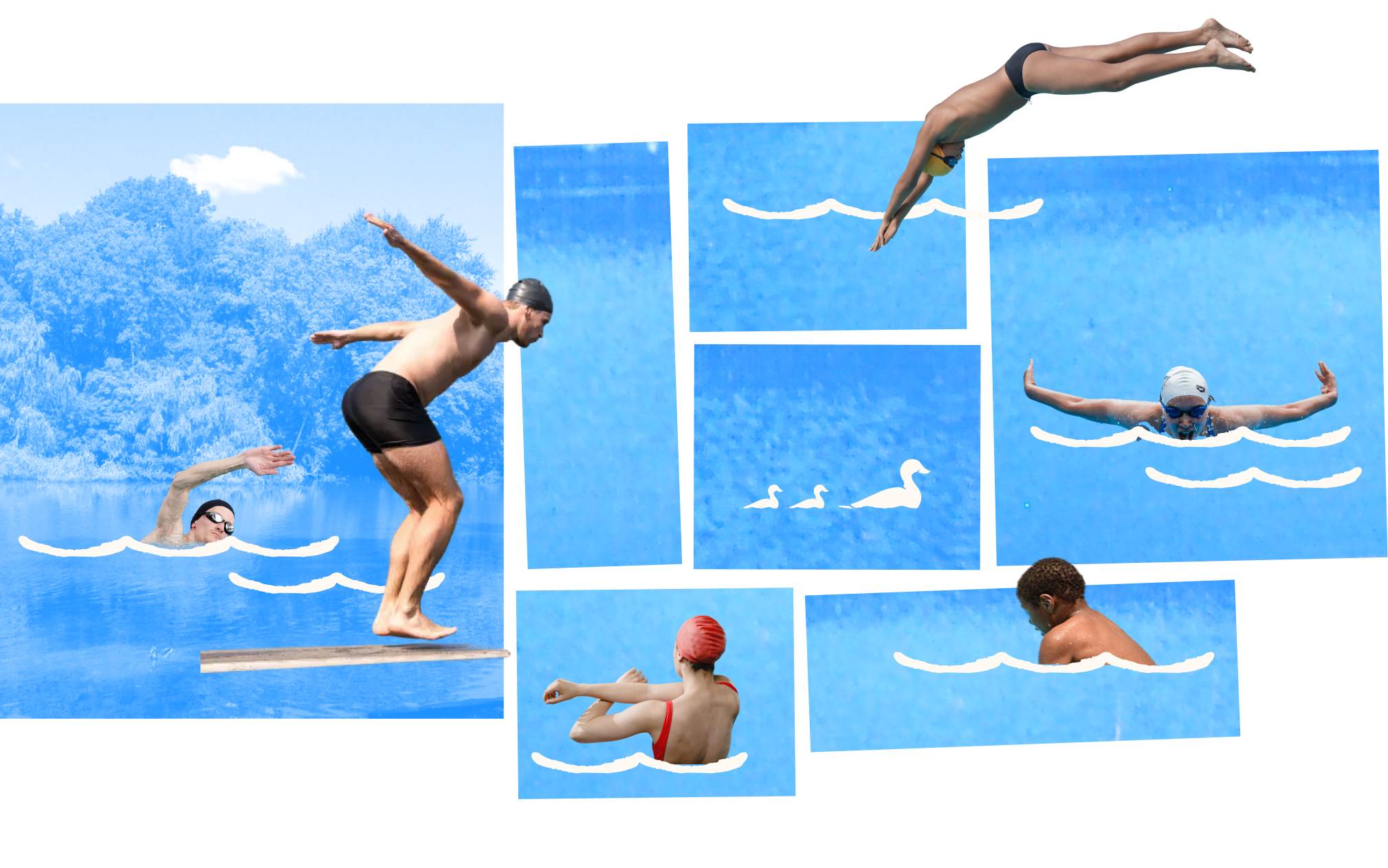
When venerated landscape architects Olmsted and Vaux designed Prospect Park, they did not plan for swimming in the lake. But as our cities have changed, we dare to ask, why not. We are responding to new needs, demands, and urban desires. Inspired by the Swimmable Cities Network and hundreds of cities around the world that are rethinking their relationship to water, we believe this is a vision worth exploring.

Our core work is technical. We need to understand what it would take to create conditions that meet New York State freshwater bathing standards. This requires answering complex questions about hydrology, ecology, engineering, and operations to develop technically grounded pathways for the future of the lake.

What we are trying to learn

We are evaluating whether engineered interventions such as constructed wetlands, increased circulation, sediment management, or targeted filtration systems could support a safe swimming zone. We need to understand how current circulation patterns and stormwater inputs influence water quality, where a pilot zone makes the most sense, and what different approaches would cost to build and operate over time.

Beyond technical feasibility, we are mapping the governance and operational requirements. This involves understanding state regulations, municipal operations, and how a swim area would interact with existing park plans and wildlife management. We are also exploring how swimmability can directly support broader ecological restoration and climate resilience.

The Challenges

We know the hurdles are significant. The lake struggles with algae blooms, bacteria, and limited circulation. Its hydrology is highly complex and shaped by city stormwater inputs. Furthermore, navigating the governance of a designated wildlife habitat, meeting high regulatory bathing thresholds, and working alongside the prioritization of stormwater retention all present distinct challenges.

Possible Pathways Forward

Our goal is not to predetermine the best approach. We want to provide enough detail so agencies, community partners, and technical advisors can make informed choices. Some pathways may focus on restoring the lake water itself through ecological interventions like wetland expansion or improved circulation. Other pathways might explore contained infrastructure sitting within the lake that utilizes permeable filtration systems similar to models being tested elsewhere.

Next Steps and Support Needed

We are conducting ongoing water quality analysis in partnership with Brooklyn College and the Interstate Environmental Commission. To determine whether deeper analysis is warranted, we are seeking support in the following areas.

  • Hydrological modeling
  • Conceptual design pathways
  • Cost estimation and phasing
  • Visual communications materials
  • Regulatory pathway mapping
  • Ecological impact assessment frameworks
  • Stakeholder engagement strategies

Prospect Swims

Public Swimming • Prospect Park Lake

© 2026 Prospect Swims, Inc

Design by Partner & Partners

About

Reimagining Prospect Park Lake

When venerated landscape architects Olmsted and Vaux designed Prospect Park, they did not plan for swimming in the lake. But as our cities have changed, we dare to ask, why not. We are responding to new needs, demands, and urban desires. Inspired by the Swimmable Cities Network and hundreds of cities around the world that are rethinking their relationship to water, we believe this is a vision worth exploring.

Our core work is technical. We need to understand what it would take to create conditions that meet New York State freshwater bathing standards. This requires answering complex questions about hydrology, ecology, engineering, and operations to develop technically grounded pathways for the future of the lake.

What we are trying to learn

We are evaluating whether engineered interventions such as constructed wetlands, increased circulation, sediment management, or targeted filtration systems could support a safe swimming zone. We need to understand how current circulation patterns and stormwater inputs influence water quality, where a pilot zone makes the most sense, and what different approaches would cost to build and operate over time.

Beyond technical feasibility, we are mapping the governance and operational requirements. This involves understanding state regulations, municipal operations, and how a swim area would interact with existing park plans and wildlife management. We are also exploring how swimmability can directly support broader ecological restoration and climate resilience.

The Challenges

We know the hurdles are significant. The lake struggles with algae blooms, bacteria, and limited circulation. Its hydrology is highly complex and shaped by city stormwater inputs. Furthermore, navigating the governance of a designated wildlife habitat, meeting high regulatory bathing thresholds, and working alongside the prioritization of stormwater retention all present distinct challenges.

Possible Pathways Forward

Our goal is not to predetermine the best approach. We want to provide enough detail so agencies, community partners, and technical advisors can make informed choices. Some pathways may focus on restoring the lake water itself through ecological interventions like wetland expansion or improved circulation. Other pathways might explore contained infrastructure sitting within the lake that utilizes permeable filtration systems similar to models being tested elsewhere.

Next Steps and Support Needed

We are conducting ongoing water quality analysis in partnership with Brooklyn College and the Interstate Environmental Commission. To determine whether deeper analysis is warranted, we are seeking support in the following areas.

  • Hydrological modeling
  • Conceptual design pathways
  • Cost estimation and phasing
  • Visual communications materials
  • Regulatory pathway mapping
  • Ecological impact assessment frameworks
  • Stakeholder engagement strategies